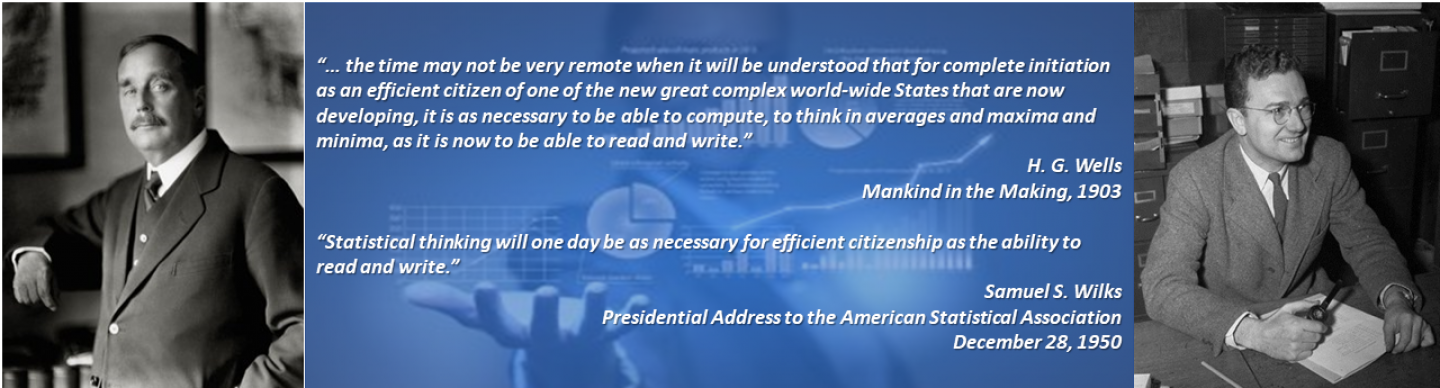
Even with the publication of ICVH E9(R1) and so may efforts globally for explaining and implementing the estimand framework, too often statisticians, and clinical researchers in general, focus their efforts on how to handle incomplete data, which is my term for the missing or confounded data created by so-called intercurrent events. Let’s get the focus on the clinical question of interest.
Tag: statistics
No. 20: I Am (Probably) Wrong, Maybe

A promising treatment for Covid-19 comes from a most unusual source - an anti-depressant treatment. Is the evidence compelling? What should we believe?
No. 18: Analytics, Fast and Slow

Fast to the wrong answer is not a good business or scientific strategy. Slow, but rigorous, analysis does not meet business or scientific needs either. It has to be "and."
No. 17: Analytics, Data Science and Statistics – A Rose by Any Other Name …

There is a lot of confusion over what data science is and how it is the same or different from statistics or other data analytic fields such as epidemiology or econometrics. This is my attempt to describe the "big tent" of Analytics.
No. 3: What Might Be

It is easy to get an answer; it is very difficult to assess the quality of that answer.
No. 2: Association, Correlation and Causation
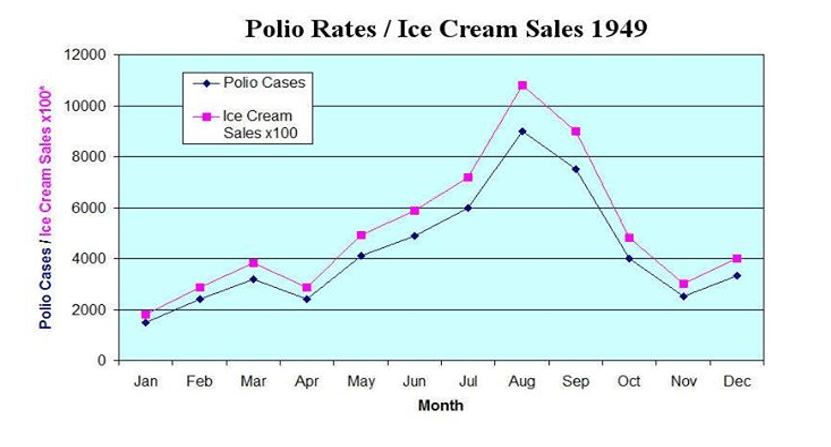
Protect yourself from polio ... don't eat ice cream!
No. 1: Introduction – Welcome to Analytix Thinking
Welcome to the Analytix Thinking blog! The blog that is intended to help people think rightly about data and deciding what is true. First, the intended audience is those who are analytically/quantitatively minded, but the exposition is also meant to be consumable by those who are curious about such matters, but without formal mathematical, statistical … Continue reading No. 1: Introduction – Welcome to Analytix Thinking

