Estimands is the simplest concept with the most difficult implementation. With the release of the final ICH Guideline in Estimands today, this first of several blogs to follow delves into the topic.
No. 14: Estimands – WHAT Is It All About?

Estimands is the simplest concept with the most difficult implementation. With the release of the final ICH Guideline in Estimands today, this first of several blogs to follow delves into the topic.

Implicit models in the back of our minds can creep into explicit models creating biased predictions that have societal implications.

If we fail to acknowledge that we have biases and assumptions that influence our assessment of 'objective facts,' then we delude ourselves. Our perception of reality and how we judge evidence is colored by our beliefs which arise from our specific experiences.
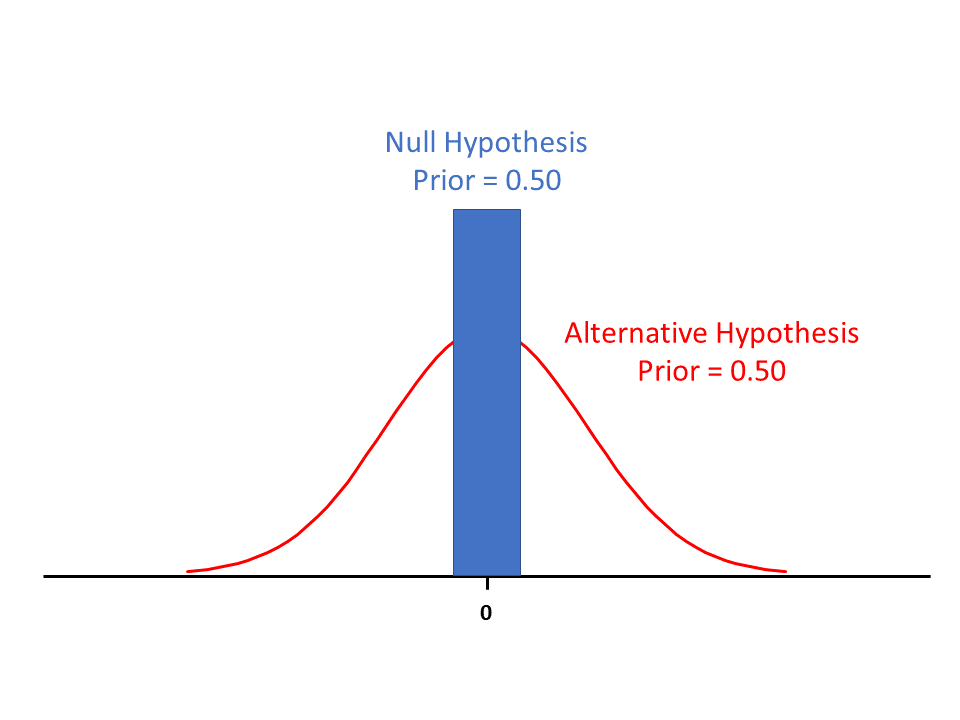
The probability that the null hypothesis is true is 0.50. How should we interpret that and then write it down mathematically?

You may have heard, “Always do subgroup analysis, but never believe them.” Don't believe this.

The over-reliance on p-values can lead to misinterpretation of data and a $150 million bet on a subgroup with scant evidence.

How do we know when an observed effect is real or spurious?

Some people say, "A p-value=0.05 is not very much evidence against the null hypothesis." Well then, how much evidence is it?
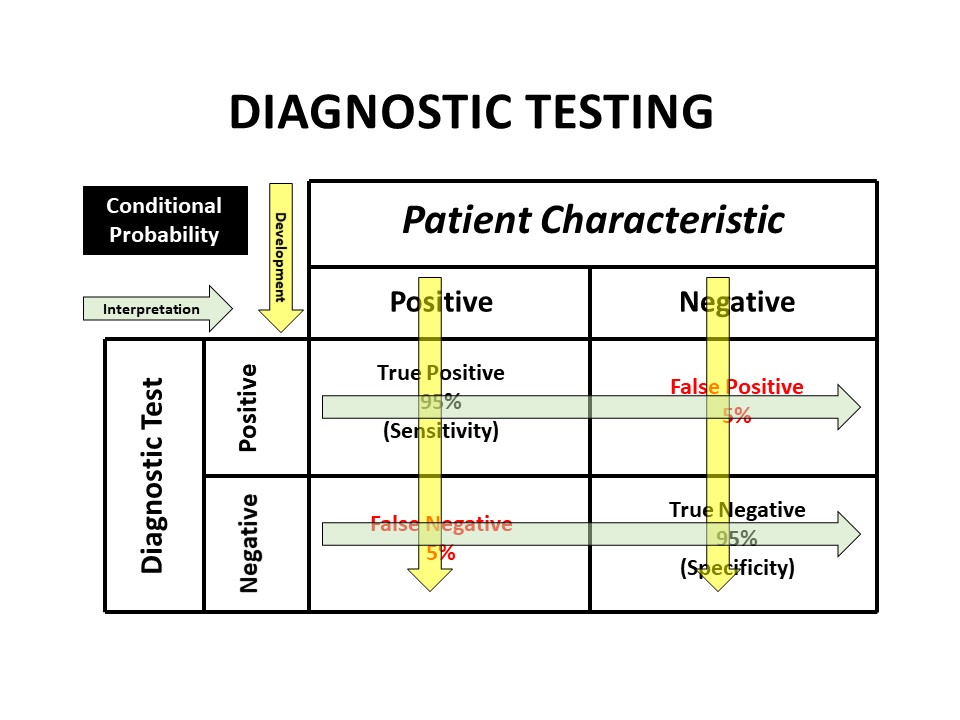
pr(B|A) ≠ 1 – pr(A|B). Why do we act like it ?!

For too long statisticians have been peddling pr(data|hypothesis) when scientists [indeed all of us] want pr(hypothesis|data).
 analytixthinking.blog